The Ultimate 2025 Fall Gardening Guide: How to Grow the Perfect Galaxy Blackberry Shrub
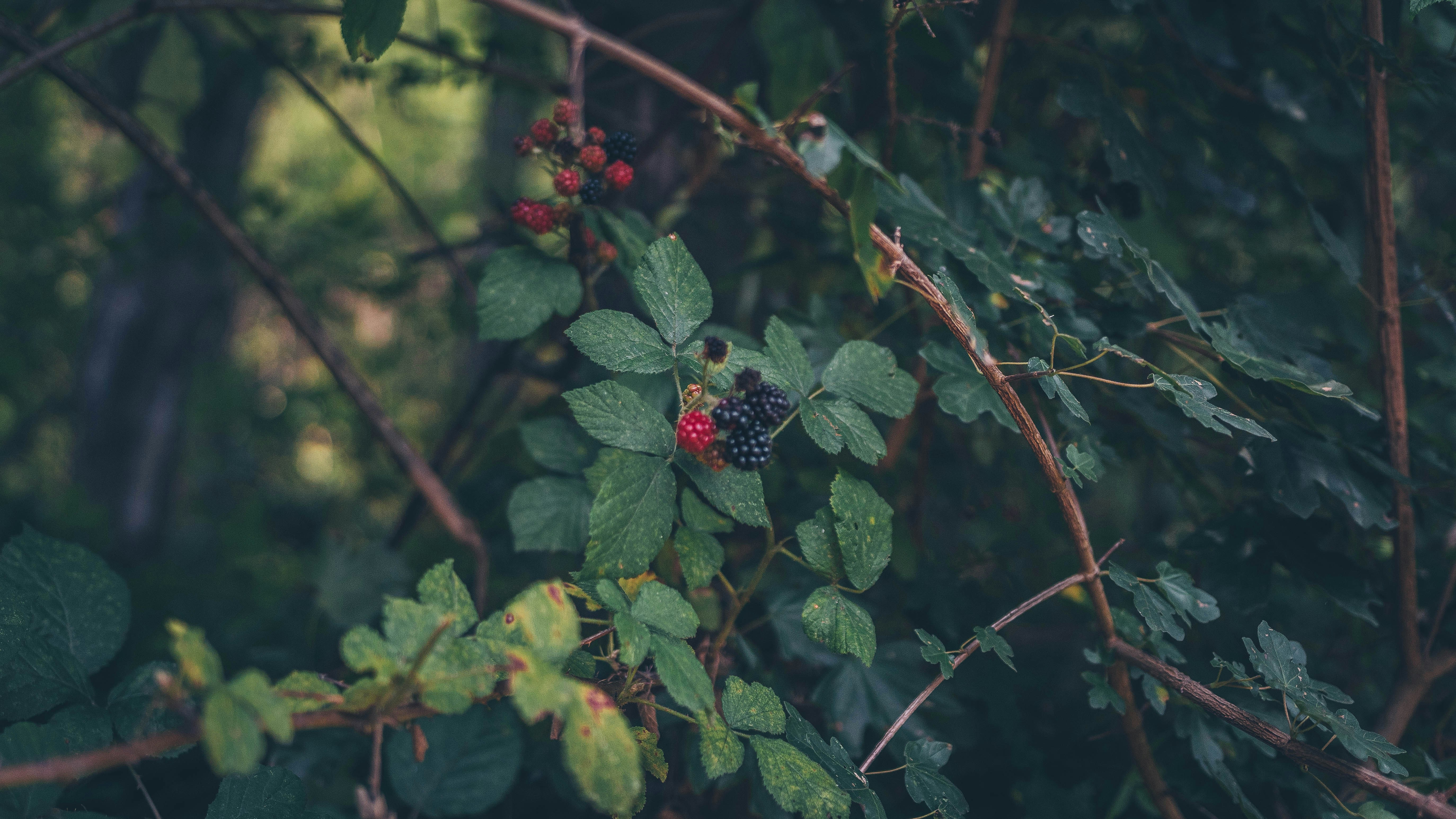
Introduction to Galaxy Blackberry Shrubs
The Galaxy Blackberry shrub has gained significant attention in recent years among gardening enthusiasts, particularly for its vibrant yields and low-maintenance qualities. This particular type of blackberry is celebrated not only for its delicious, juicy fruit but also for its robust growth and decorative appeal throughout the gardening season. With its thornless canes and sprawling habit, the Galaxy Blackberry offers an attractive option for home gardens and landscapes, making it an inviting choice for both novice and experienced gardeners.
The popularity of the Galaxy Blackberry shrub is further amplified by its adaptability to a variety of growing conditions. Thrive-ing particularly well in hardiness zones 5-9, this shrub can withstand the fluctuations of temperate weather, producing an abundant harvest of sweet berries during the late summer to early fall. This shrub’s fruit is not only flavorful but also exceptionally versatile, suitable for fresh eating, preserves, and culinary dishes alike.
Gardeners will appreciate the Galaxy Blackberry’s fertilization requirements, which are minimal compared to traditional berry varieties. Additionally, these plants are known for their resilience against common pests and diseases, making them a smart choice for those looking to minimize garden maintenance while enjoying a fruitful harvest. For individuals seeking to enhance their fall gardening experience, planting Galaxy Blackberry shrubs offers the perfect blend of beauty and yield.
Not only are Galaxy Blackberry shrubs an asset to anyone looking to grow a productive garden, but they also contribute to ecological diversity. Their blossoms attract pollinators, promoting a healthier garden ecosystem. As such, for gardeners aiming to create a sustainable and fruitful environment, the Galaxy Blackberry shrub emerges as an ideal candidate for fall planting.
Optimal Growing Conditions
To successfully cultivate Galaxy Blackberry shrubs, it is essential to provide them with optimal growing conditions. This specific blackberry variety thrives best in climate zones 5 to 9, where moderate temperatures and variable precipitation are prevalent. The ideal temperature range for Galaxy Blackberries is between 65°F and 75°F during the growing season. This range promotes healthy growth and maximizes fruit production.
Fall is considered a particularly advantageous time to plant Galaxy Blackberry shrubs. The cooler temperatures of autumn reduce stress on the plants, allowing them to establish strong root systems before the onset of winter. A well-prepared planting site will yield the best results; the soil should be well-draining and rich in organic matter. Testing the pH level prior to planting is also recommended, aiming for a slightly acidic to neutral soil pH of around 5.5 to 7.0.
When planting in the fall, it is advisable to select a time frame between late September and early October, allowing the roots ample time to settle in before freezing temperatures set in. Proper planting methods involve digging a hole twice as wide as the root ball and the same depth to accommodate the roots comfortably. Once planted, thoroughly water the shrub and apply mulch around the base. This practice not only conserves moisture but also helps regulate soil temperature.
In conclusion, ensuring that Galaxy Blackberry shrubs are planted in suitable climatic conditions and at the appropriate time in fall will significantly enhance their establishment and productivity. By following these guidelines, gardeners can enjoy a fruitful harvest of delicious blackberries in the upcoming seasons.
Soil and Fertilization Requirements
The successful cultivation of Galaxy Blackberry shrubs hinges on providing the ideal soil conditions. These plants thrive best in well-drained loamy soil, characterized by a balanced mixture of sand, silt, and clay. This type of soil allows for adequate aeration and drainage, which is essential to prevent root rot and other moisture-related issues. The pH level of the soil is another critical factor; it should ideally range between 5.5 and 6.5. This mildly acidic condition promotes optimal nutrient availability, allowing the Galaxy Blackberry to flourish. Regular soil testing can help monitor pH levels and assist in determining necessary amendments.
To enhance soil quality, incorporating organic materials is beneficial. Compost, well-rotted manure, or other organic matter can significantly improve soil texture, fertility, and microbial activity. These amendments not only contribute to nutrient content but also improve moisture retention and drainage. It is advisable to mix these organic materials into the top layers of soil prior to planting to establish a nutrient-rich environment. Additionally, utilizing mulch around the base of the shrubs can further regulate soil temperature and moisture levels.
In terms of fertilization, the Galaxy Blackberry shrub benefits from a structured fertilization schedule. A balanced fertilizer with an N-P-K ratio of 10-10-10 is recommended. Application should occur in early spring as the plants begin to emerge from dormancy, followed by another application post-fruiting to support healthy growth for the next season. It is essential to follow the manufacturer’s instructions regarding the quantity to ensure optimal nutrient delivery while preventing over-fertilization, which can harm the shrub and the surrounding environment.
Watering Techniques and Maintenance
Establishing a healthy watering regimen is crucial for the successful growth of newly planted Galaxy Blackberry shrubs. When first planted, these shrubs require consistent moisture to develop robust root systems in their new environment. A deep watering technique is essential during this establishment phase, which typically lasts for the first year. This method involves saturating the soil around the roots thoroughly, which encourages the roots to grow deeper in search of water. Aim to water your Galaxy Blackberry shrubs at least once a week, providing approximately one inch of water. During particularly hot or dry spells, this frequency may need to be increased to ensure adequate moisture levels.
As the growing season progresses, maintaining an optimal moisture level is vital for the health of your Galaxy Blackberry shrubs. Using mulch around the base of the plants is an effective strategy to conserve moisture and suppress weed growth. A layer of organic mulch, such as wood chips or straw, not only retains soil moisture but also adds nutrients as it breaks down. Apply a three-inch layer of mulch, ensuring it does not touch the stem of the plant to prevent rot.
Monitoring soil moisture is another important aspect of maintenance. Feel the soil about two inches below the surface—if it feels dry, it’s time to water. Investing in a moisture meter can also provide precise readings, guiding your watering practices effectively. It’s critical to avoid overwatering, which can lead to root rot, especially during cooler months when the shrubs need less moisture. By combining deep watering techniques with the use of mulch and regular soil checks, you can foster the ideal environment for your Galaxy Blackberry shrubs to thrive.
Identifying Signs of a Healthy Plant
Establishing a vibrant Galaxy Blackberry shrub begins with recognizing the signs of a healthy plant. The first indication of vigor is demonstrated through its new growth. A healthy shrub will produce robust, vigorous shoots, typically characterized by an upright posture and strong branching. These new shoots should appear lush and green, signaling that the plant is thriving and actively photosynthesizing.
Leaf color also plays a crucial role in assessing the health of the Galaxy Blackberry shrub. Healthy leaves exhibit a rich green hue, which indicates that the plant is receiving adequate nourishment and water. Signs of yellowing leaves, known as chlorosis, can suggest nutrient deficiencies or watering issues. In such cases, a soil test may be warranted to determine the underlying cause and facilitate appropriate corrective measures.
Another key sign to observe is the appearance of flowers and fruit clusters. Galaxy Blackberry shrubs typically produce a profusion of delicate white or pink flowers, which subsequently develop into promising fruit. A healthy plant will showcase an abundance of these flowers during the blooming period, indicating that it is well-cared for and positioned to yield a fruitful harvest. As the season progresses, the emergence of plump, juicy blackberries is a testament to the plant’s successful growth.
Additionally, effective management of pest issues is essential to ensure optimal plant health. A healthy Galaxy Blackberry shrub is relatively free from pests and diseases. Regular inspections for pests such as aphids or spider mites will help identify issues before they escalate. Employing integrated pest management techniques can further enhance the plant’s vitality and growth. By being vigilant and proactive about pest control, gardeners can support their Galaxy Blackberry shrubs in reaching their full potential.
Common Pest Problems and Solutions
Galaxy Blackberry shrubs, while resilient and fruitful, can attract a range of pests that may impact their growth and fruit production. Among the most notable pest issues, grown enthusiasts should be mindful of the spotted wing drosophila, Japanese beetles, aphids, and thrips. Each of these pests presents unique challenges, and understanding their behavior is vital for effective management.
The spotted wing drosophila is particularly concerning as it targets ripe and overripe fruit. Infestation typically manifests through small puncture wounds on the berries, leading to fruit decay. To prevent these pests, it is advisable to harvest regularly and remove any fallen fruit, which can serve as breeding grounds. Additionally, using insect netting can be an effective barrier.
Japanese beetles also pose a threat to Galaxy Blackberry shrubs. These pests are known to skeletonize leaves, leading to compromised plant health and reduced yields. To combat Japanese beetles, manual removal is often effective, especially when populations are low. Alternatively, commercially available traps can be deployed or neem oil can be applied as a natural pesticide to deter infestations.
Aphids manifest as tiny insects clustered on new growth and can lead to leaf curling and stunted growth. Introducing beneficial insects, such as ladybugs, is an effective preventive measure, as they are natural predators of aphids. In addition, regular spraying with a robust stream of water can dislodge these pests and help control their population.
Thrips are another concern, characterized by silvery streaks on leaves and potential fruit distortion. To mitigate their impact, maintaining healthy plant vigor through appropriate watering and fertilization is essential. Observing and reacting promptly to the signs of an initial infestation can prevent further harm.
In conclusion, being vigilant about the common pest problems faced by Galaxy Blackberry shrubs will enable gardeners to implement effective preventative measures. Regular monitoring, prompt action, and the use of natural solutions will foster healthy growth and a bountiful harvest.
Recognizing Overwatering and Underwatering Symptoms
Proper watering is crucial for the health and productivity of Galaxy Blackberry shrubs. An imbalance, whether through overwatering or underwatering, can lead to significant health issues for the plant. Recognizing the symptoms of these conditions is essential for any gardener aiming to cultivate thriving blackberry bushes.
Overwatering is one of the most common mistakes that gardeners make. Symptoms of overwatering include yellowing leaves, wilting despite wet soil, and a general collapse of the plant structure. Additionally, the roots of the Galaxy Blackberry shrub may become waterlogged, leading to root rot, which can be detrimental. If gardeners notice any of these signs, it is essential to reduce their watering frequency and ensure that the soil has adequate drainage. Improving soil aeration and avoiding compaction can also help combat the risks associated with overwatering.
On the contrary, underwatering presents a starkly different set of indicators. Galaxy Blackberry shrubs suffering from insufficient moisture will exhibit curled or shriveled leaves, dry soil, and stunted growth. In severe cases, fruits may fail to develop properly, affecting the overall yield. To remedy underwatering, it is vital to establish a consistent watering schedule, particularly during dry spells. A thorough soaking of the soil, rather than light sprinklings, encourages deep-root growth and resilience.
Adjusting watering practices based on the changing conditions of the environment—such as seasonal variations and the shrub’s growth cycle—will greatly enhance the wellbeing of Galaxy Blackberry shrubs. Regular monitoring of soil moisture and plant appearance empowers gardeners to make informed decisions, promoting a robust and fruitful gardening experience.
Timeline for Growth and Harvesting
Growing Galaxy Blackberry shrubs can be a rewarding experience, with a timeline that spans approximately 730 to 1095 days from planting to harvest. This timeframe can be influenced by various factors, including care practices and environmental conditions. Typically, the journey of a Galaxy Blackberry begins when the young plants are settled into their new environment, which is essential for their initial development.
During the first year, the plants primarily focus on establishing a strong root system. This is crucial as it lays the foundation for subsequent growth. With optimal conditions, including well-drained soil, adequate sunlight, and consistent moisture, you may observe the first signs of growth within a few weeks. Fertilization plays an important role during this phase; a balanced fertilizer can enhance root development and overall health. With proper care during this stage, growth should be steady, and producers can expect the shrubs to reach an adequate size to survive harsh weather conditions.
In the second year, the Galaxy Blackberry shrubs begin to bear fruit. The duration until the first harvest can be influenced by factors such as pruning techniques and the specific climate of the region. Proper pruning encourages bushier growth and maximizes fruit production. Regular monitoring for pests and diseases is also vital, as these can significantly affect yield and fruit quality. During this period, reaching full maturity and achieving peak harvest typically occurs in the third season of growth.
The actual timeline can vary greatly based on environmental factors, such as soil quality, moisture availability, and temperature fluctuations. Gardeners in warmer climates may find their plants maturing faster compared to those in cooler regions. Adequate care and maintaining the right conditions ultimately lead to a successful Galaxy Blackberry harvest, generally achieved within the stated timeframe.
Conclusion and Final Tips for Success
In the journey of cultivating the Galaxy Blackberry shrub, several key practices emerge as essential for success. First and foremost, understanding the plant’s specific needs in terms of sunlight, soil quality, watering, and pruning will significantly contribute to a fruitful harvest. Planting in well-drained soil enriched with organic matter ensures that the roots can thrive and absorb necessary nutrients effectively. Regular watering is also crucial, especially during dry spells; however, care must be taken to avoid waterlogging, which can lead to root rot.
Additionally, the pruning of your Galaxy Blackberry shrub plays a vital role in maintaining its health and productivity. Late winter is the ideal time for pruning, focusing on removing dead or weak canes while promoting a strong structure for new growth. This practice not only encourages larger fruit production but also improves air circulation, minimizing the risk of pests and diseases. Implementing a consistent pest management strategy will help safeguard your plants from common issues, ensuring healthy berries each season.
As you embark on the rewarding journey of growing Galaxy Blackberry shrubs, remember that gardening is as much about the process as it is about the end result. Enjoy the moments spent nurturing your plants and observing their growth. Engage with the gardening community, sharing your experiences, challenges, and successes. This exchange can provide valuable insights and foster a deeper appreciation for the art of gardening.
In conclusion, successful cultivation of Galaxy Blackberry shrubs demands attention to detail, patience, and enjoyment of the gardening process. By adhering to these guidelines and remaining engaged with your garden, you can cultivate these unique and delicious plants, yielding not just fruit, but a fulfilling gardening experience.