The Ultimate 2025 Fall Gardening Guide: How to Grow Perfect Curly Kale in 50-60 Days
Introduction to Curly Kale
Curly kale, a member of the cruciferous vegetable family, has gained considerable popularity among gardeners and health enthusiasts alike. This nutrient-dense leafy green boasts an impressive nutritional profile, rich in vitamins A, C, and K, as well as minerals such as calcium and iron. It is particularly valued for its antioxidant properties, which contribute to overall health and wellness. The versatility of curly kale makes it an ideal ingredient in a variety of dishes, ranging from salads and soups to smoothies, allowing for creative culinary uses while promoting a healthy lifestyle.
One of the most compelling reasons to grow curly kale in the fall months is its adaptability to cooler temperatures. Unlike many other vegetables, curly kale becomes sweeter after exposure to frost, enhancing its flavor and texture. This hardy plant can withstand harsh weather conditions, making it an excellent option for autumn gardening. Its dark green, curly leaves not only provide aesthetic appeal in the garden but also offer a continuous harvest well into the winter, ensuring that gardeners can enjoy fresh produce despite the season’s challenges.
In terms of cultivation, curly kale has a manageable timeline, taking approximately 50 to 60 days from planting to maturity. This relatively short growth cycle allows gardeners to plant the seeds in late summer or early fall, providing ample opportunity for a bountiful harvest. With proper care, including appropriate watering and nutrient management, gardeners can reap the benefits of curly kale quite quickly, making it a rewarding addition to any vegetable garden. Overall, curly kale lays an exceptional foundation for those looking to expand their fall gardening endeavors while cultivating a nutritious crop.
Choosing the Right Season for Curly Kale
Curly kale (Brassica oleracea var. sabellica) is known for its vibrant green leaves and rich nutritional profile. As a biennial vegetable, curly kale thrives in cooler temperatures, making fall the ideal season for its cultivation. In fact, this leafy green is most productive and flavorful when grown during the mild weather months of late summer and early autumn. As temperatures begin to drop, kale becomes sweeter, with its flavor enhanced by frost exposure, making it an excellent choice for fall gardening.
When considering the right season for curly kale, it is essential to recognize the climate zones suitable for growth. Zones 4 through 9 offer a conducive environment where cooler temperatures prevail without the severe frost commonly found in harsher climates. In these zones, gardeners can expect optimal growth and a bountiful harvest when planting curly kale in late summer. This timing allows the plants to establish their root systems before the first frost, thus ensuring robust growth and resilience throughout the season.
Temperature plays a crucial role in the success of curly kale. Ideally, daytime temperatures should hover around 60 to 70 degrees Fahrenheit, while nighttime temperatures can comfortably drop into the 40s. Such moderate conditions assist in promoting lush foliage and prevent the stress that often occurs during hotter months. Additionally, fall rains can provide the moisture necessary for kale’s growth, reducing the need for extensive irrigation. Gardeners should also be cautious of sudden temperature fluctuations that can withstand young plants during unseasonable weather. By understanding the essential climate conditions and embracing the advantages of fall gardening, one can cultivate curly kale that meets culinary and nutritional desires.
Ideal Soil Conditions for Curly Kale
Curly kale is a nutrient-dense leafy green that thrives when planted in the right soil conditions. To successfully grow curly kale in your fall garden, it is crucial to ensure that the soil is rich, well-drained, and contains significant organic matter. These factors play a vital role in facilitating proper growth and development.
The ideal soil for curly kale is loamy, a mixture that delivers excellent drainage paired with moisture retention. Loamy soil provides the necessary balance of sand, silt, and clay, allowing for optimal airflow and nutrient absorption. When preparing your garden bed for planting, consider integrating well-composted organic material, such as leaf mulch or aged manure. This not only enriches the soil but also introduces beneficial microorganisms essential for plant health.
Another critical consideration is the pH level of the soil. Curly kale prefers a slightly acid to neutral pH range, typically between 6.0 and 7.5. Conducting a soil test can provide insight into the current pH and nutrient levels. If your soil is found to be too acidic, spreading lime can help to adjust the pH upwards. Conversely, if the soil is too alkaline, incorporating sulfur or iron sulfate may rectify the balance.
Before planting curly kale, it is beneficial to prepare the soil by loosening it at least 12 inches deep. This practice ensures that the plant roots can penetrate easily and access the necessary nutrients and water. Additionally, mixing in a balanced fertilizer during the soil preparation can further enhance fertility, promoting vigorous growth and high yields.
Watering Regimen for Healthy Growth
Proper watering is crucial for cultivating healthy curly kale, a leafy green vegetable known for its dense nutrient content and desirable texture. Maintaining an evenly moist soil is fundamental to encourage robust growth and prevent stress on the plants. Curly kale thrives in well-draining soil that retains moisture while preventing waterlogging, which can lead to root rot and other issues. Regular watering ensures that the soil remains consistently damp but not soggy, allowing the roots to absorb the necessary moisture efficiently.
When watering curly kale, it is advisable to focus on the base of the plant. This practice minimizes water evaporation and guides moisture directly to the roots, where the kale can best utilize it for growth. Ideally, kale should receive about 1 to 1.5 inches of water per week, either through rainfall or supplemental irrigation. During particularly hot days or extended dry spells, the watering frequency may need to be increased. Observing the plant’s response is key; if the leaves begin to droop or appear wilted, it may indicate a need for additional watering.
In addition to these practices, applying mulch around the base of the plants can significantly improve moisture retention in the soil. Organic materials such as straw, wood chips, or shredded leaves act as a barrier against evaporation and help regulate soil temperature. This not only conserves moisture but also deters weed growth that competes for water and nutrients. As the kale matures, consistent attention to its watering regimen will yield a healthier, more vibrant plant, contributing to a successful harvest and enabling gardeners to enjoy the numerous benefits of this nutritious vegetable.
Fertilizing Your Curly Kale Plants
Proper fertilization is essential for ensuring healthy growth and maximizing the yield of curly kale, a popular leafy green that thrives in fall gardens. The key to successful fertilization lies in maintaining a balanced nutrient profile throughout the plant’s growth cycle. A balanced nitrogen fertilizer or well-decomposed compost can greatly enhance the vitality of curly kale plants. Applying these fertilizers as a side-dressing every three to four weeks can help provide the necessary nutrients that promote lush, vibrant foliage essential for a bountiful harvest.
Initially, a good practice is to enrich the soil before planting by incorporating organic matter into the bed, which sets the stage for robust growth. Once your kale starts to mature, side-dressing every 3-4 weeks will help replenish nutrients that may have been depleted, supporting the plant’s health during its rapid growth period. This technique is particularly crucial in the earlier stages of growth when the foliage is developing rapidly. Additionally, after the first harvest, light feeding can aid in producing a second crop of leaves, ensuring that the plants remain productive throughout the season.
It is equally important to watch for signs of nutrient deficiency in your curly kale. Yellowing leaves, stunted growth, or browning leaf edges are indicators that your plants may not be receiving sufficient nitrogen or other essential nutrients. Addressing these issues promptly with appropriate fertilizers can help restore the health of your kale and encourage robust growth. Ensuring that your plants receive the right amount and type of nutrients positions them for success in the fall garden, leading to a satisfying and productive gardening experience.
Identifying Signs of Healthy Curly Kale Plants
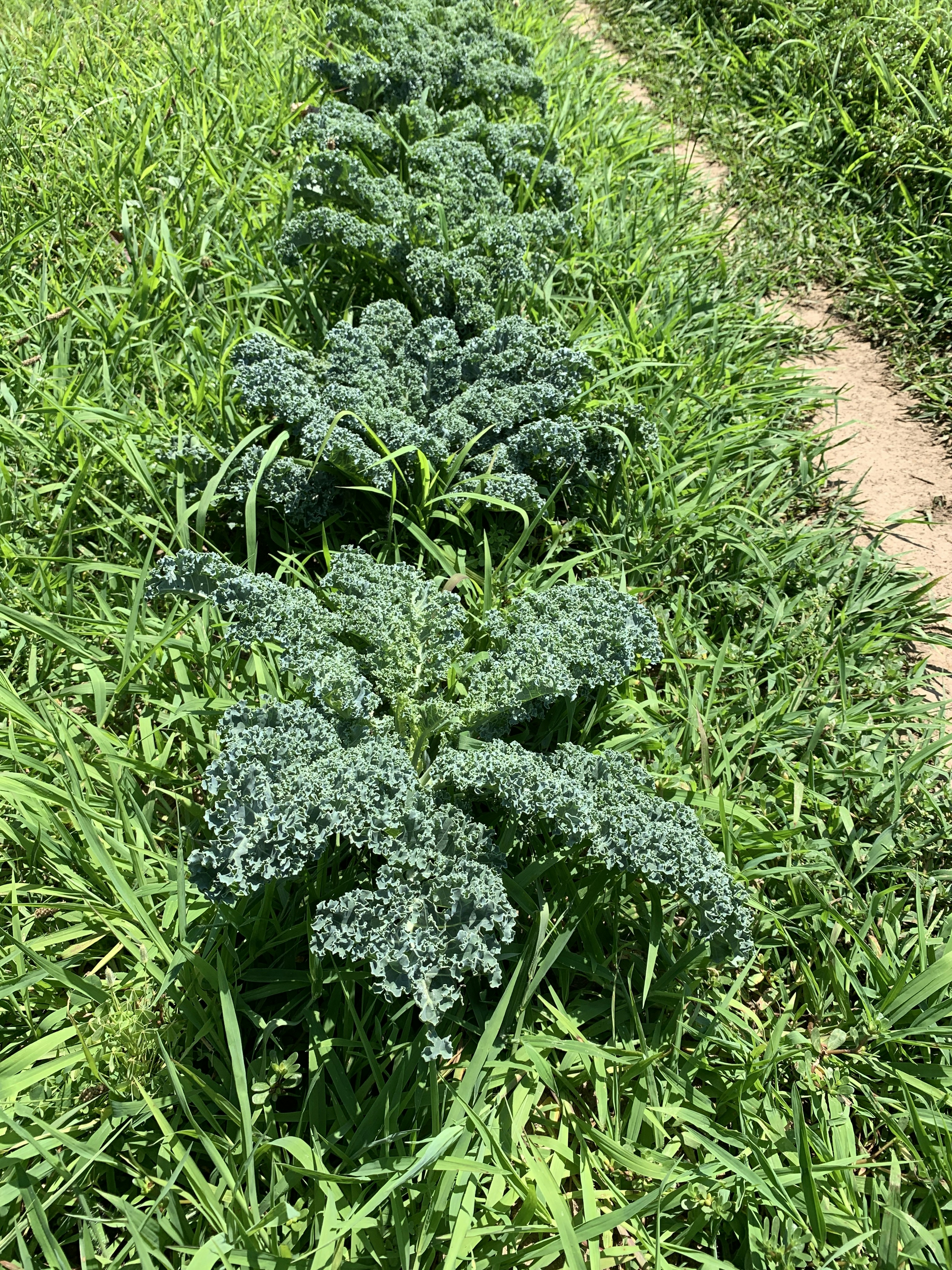
Gardening enthusiasts and seasoned growers alike must know how to identify the signs of healthy curly kale plants. One of the most significant indicators of vitality is the color of the leaves. Healthy curly kale typically exhibits dark green hues. This richness in color not only signifies proper nutrient uptake but also reflects the plant’s readiness to flourish. Pale or yellowing leaves can often indicate nutrient deficiencies or other issues related to plant health.
Additionally, the texture and crispness of the leaves play a vital role in assessing plant vitality. Healthy curly kale leaves should be firm and crisp to the touch, indicating that the plant is adequately hydrated and free from disease. Wilting or limp leaves are clear indicators that the plants may be suffering from either overwatering or underwatering, which can adversely affect their growth and productivity.
The compactness of the heads is another essential characteristic. A robust curly kale plant will exhibit tightly packed leaf clusters, suggesting that it is thriving. Loose or leggy growth can be a signal of inadequate lighting or overcrowding, both of which can hinder optimal development. In addition to these visual cues, attentive gardeners should inspect the stems. Strong, firm stems indicate a healthy plant structure capable of supporting the leaves and preventing flop as the plant matures.
Lastly, assessing the level of pest damage is crucial in evaluating plant health. Healthy curly kale should show minimal signs of pests, such as holes in the leaves or residue from insect activity. Regular inspections can help in early detection of any infestations, allowing for prompt action to ensure the plant’s continued well-being. By keeping these characteristics in mind, gardeners can better recognize the signs of thriving curly kale plants.
Potential Pest Issues and Solutions
Curly kale, celebrated for its nutritious profile and robust flavor, can unfortunately attract a variety of pests that may compromise its growth and quality. Among the most common pests affecting curly kale are cabbage loopers, aphids, and flea beetles. Each of these pests presents distinctive challenges, but early identification and management are crucial for a successful harvest.
Cabbage loopers are recognizable by their green, caterpillar-like appearance and often leave noticeable holes in the leaves as they munch on the foliage. Signs of their presence include not only the damage but also the droppings they leave behind, which resemble small pellets. To combat cabbage loopers, consider utilizing row covers that physically block these pests from reaching your plants. Additionally, introducing natural predators, such as parasitic wasps, can help manage their population.
Aphids, small black, green, or yellow insects, tend to congregate on the undersides of kale leaves, sucking the sap and leading to distorted growth, yellowing, and sticky residue known as honeydew. This honeydew can attract other pests like sooty mold. A solid approach to prevent aphid infestation includes planting companion plants, such as marigolds, which deter these pests. For treatment, applying insecticidal soap or neem oil can effectively reduce their numbers without harming beneficial insects.
Flea beetles are another significant threat to curly kale, characterized by their small size and jumping ability. Visible damage looks like tiny pinholes in the leaves, indicating they have grazed on the plant. To prevent flea beetles, use floating row covers early in the season and ensure your kale is healthy and well-nourished, as stronger plants can better withstand pest pressure. If infestations occur, handpicking beetles during early morning, when they are less active, can also offer some control.
Understanding Overwatering and Underwatering Signs
Proper watering is crucial for the health of curly kale, as both overwatering and underwatering can lead to significant issues. Recognizing the signs of these conditions can ensure that your plants thrive during their growth cycle, typically taking 50-60 days. Overwatering is often marked by yellowing leaves, which may appear droopy or wilted despite the soil being wet. This can be accompanied by limp stems and, in severe cases, the formation of mold on the soil surface. The development of mold indicates that the soil is retaining too much moisture, creating a breeding ground for harmful fungi. If you notice these symptoms, it is essential to adjust your watering practices promptly. Allow the soil to dry out between watering sessions and ensure that pots have adequate drainage to prevent water from pooling.
On the other end of the spectrum, underwatering exhibits signs such as wilting leaves, curling edges, and dry, cracked soil. Curly kale plants that are not receiving enough water will struggle to maintain their turgor pressure, leading to these visual warnings. If you experience these signs, it is vital to gradually increase the frequency of watering. Rather than attempting a large quantity of water at once, provide smaller, consistent doses to allow the soil to absorb moisture effectively without overwhelming the plant. It is advisable to check the top inch of the soil for dryness before watering to create a consistent watering schedule that suits your specific growing environment.
By being attentive to these signs of overwatering and underwatering in curly kale, gardeners can take appropriate corrective measures to ensure their plants remain healthy and productive.
Germination and Harvest Timeline
When embarking on the journey of growing curly kale, understanding the germination and harvest timeline is crucial for optimal yield in your fall garden. The germination period for curly kale typically ranges from 7 to 14 days, depending on environmental conditions, seed quality, and soil moisture. To facilitate successful germination, it’s vital to provide the seeds with a well-prepared seedbed, maintaining consistent moisture while ensuring they are not over-saturated. Regular checks during this period will help create the ideal environment for sprouting.
Once the seedlings emerge, they will require nurturing for approximately 50 to 60 days until the curly kale reaches full maturity, ready for harvest. Around two weeks after germination, the first true leaves will appear, marking an important phase in their development. During this time, it’s essential to monitor the growing conditions closely, including light exposure, soil fertility, and water needs, to ensure healthy crop growth. Fertilizing with a balanced fertilizer once the first true leaves are visible can promote vigorous plant development.
As the days progress, you should observe the changes in your curly kale plants. By the four to six-week mark, a significant increase in leaf size and density is typical, suggesting strong growth. At this stage, thinning the seedlings may be necessary if they were sown too densely, allowing for adequate spacing that encourages healthy airflow and reduces disease risk. Typically, curly kale is ideal for harvest when the leaves are still tender yet full of flavor, and this can be achieved around the 50 to 60-day period post-seeding.
For a successful fall harvest, timing becomes essential. A fall gardening approach should consider the first frost dates in your region, as kale can withstand light frosts, enhancing its flavor. Therefore, planting should ideally be done in late summer to early fall, ensuring that your curly kale matures just in time for the cooler weather. By aligning your planting schedule with this germination and harvest timeline, you will maximize the potential of your curly kale crops.